
Introduction: Lohri, Makki, and Hing
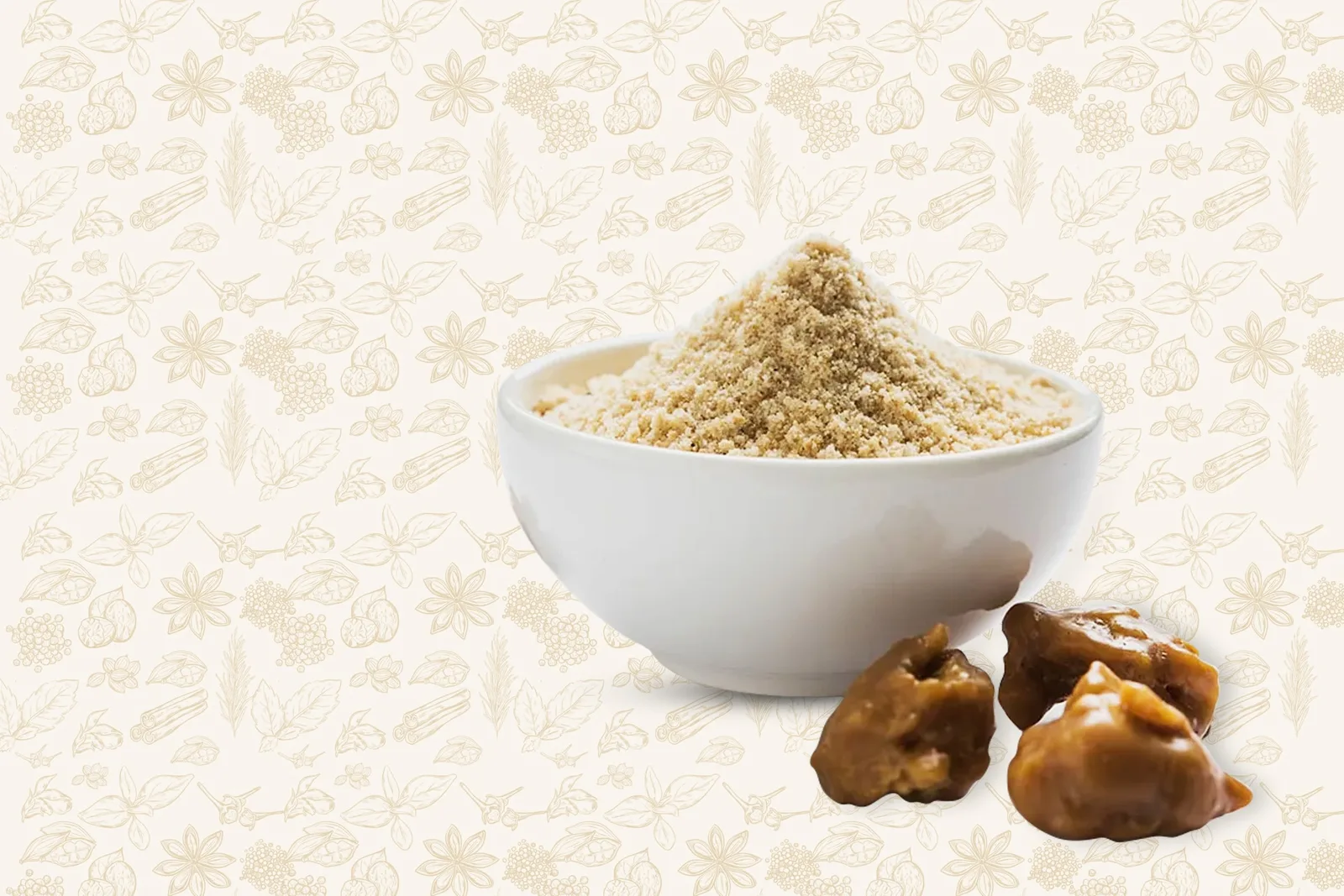
Lohri, the vibrant Punjabi harvest festival, is celebrated with bonfires, folk songs, and traditional foods. Among these delicacies, makki di roti (corn flatbread) and sarson da saag (mustard greens) hold pride of place. But there’s a lesser-known secret ingredient that our ancestors often added to makki-based dishes: hing (asafoetida). This aromatic resin, derived from the roots of Ferula plants, has been treasured in Ayurveda and Indian kitchens for centuries.
The Digestive Wisdom of Hing
Makki (cornmeal) is hearty, fibrous, and slightly heavy on the stomach. During winter, when Lohri is celebrated, digestion naturally slows down due to colder temperatures and reduced physical activity. Hing, known for its carminative properties, was added to makki dishes to ease digestion, reduce bloating, and prevent gas formation.
In Ayurveda, hing is classified as deepana (stimulating appetite) and pachana (enhancing digestion). By balancing vata dosha, hing ensured that festive meals remained enjoyable without causing discomfort.
Cultural Significance: Hing in Lohri Traditions
Lohri is not just about food—it’s about community, warmth, and gratitude for the harvest. Our ancestors believed that food prepared during festivals should nourish both body and spirit. Hing was considered a sacred spice, often used in temple offerings and festive cooking. Adding hing to makki-based dishes symbolized purity, protection, and the intention to share wholesome meals with loved ones.
Flavor Enhancement: Hing’s Role in Makki Dishes
While hing is used sparingly, its pungent aroma transforms the flavor profile of makki dishes. Cornmeal has a mild, earthy taste, and hing adds depth, warmth, and a subtle umami-like quality. Whether in makki di roti brushed with ghee or in cornmeal-based stews, hing elevated the dish from simple sustenance to festive delight.
Nutritional Synergy: Hing and Makki
- Makki (Cornmeal): Rich in fiber, complex carbohydrates, and essential minerals like magnesium and iron.
- Hing (Asafoetida): Contains antioxidants, anti-inflammatory compounds, and aids in nutrient absorption.
Together, hing and makki created a balanced meal—providing energy for cold winter nights while ensuring smooth digestion. This synergy reflects the ancestral wisdom of combining foods for maximum benefit.
Historical Roots: Hing in Indian Culinary Heritage
Hing has been mentioned in ancient texts like the Charaka Samhita and Sushruta Samhita, where it was prescribed for digestive disorders and respiratory ailments. Its use in Punjabi cuisine, especially during Lohri, highlights how regional traditions adapted Ayurvedic principles into everyday cooking.
Practical Tips: Adding Hing to Makki-Based Recipes
- Makki di Roti: Add a pinch of hing to the dough for enhanced flavor and digestion.
- Makki Stew: Temper hing in ghee before adding cornmeal for a fragrant base.
- Makki Snacks: Hing pairs beautifully with roasted cornmeal snacks, balancing heaviness with lightness.
FAQs
Why is hing added to makki dishes during Lohri?
Hing improves digestion, enhances flavor, and reflects ancestral wisdom in festive cooking.
Is hing good for digestion?
Yes, hing is known for its carminative properties, reducing bloating and aiding smooth digestion.
Can hing be used in modern Lohri recipes?
Absolutely! Hing can be added to traditional and fusion recipes to retain authenticity and health benefits.
Conclusion: A Tradition Worth Preserving
The practice of adding hing to makki-based dishes during Lohri is more than culinary—it’s cultural, medicinal, and symbolic. It reflects the foresight of our ancestors, who understood the importance of balancing taste, health, and tradition. As we celebrate Lohri today, let’s honor this wisdom by embracing hing in our festive cooking. After all, food is not just about filling the stomach—it’s about nourishing the soul.