
Introduction: Gut Health Takes Center Stage in 2026
The year 2026 has brought a renewed focus on gut health. From microbiome-friendly foods to high-fiber diets, wellness enthusiasts are embracing what experts call fibermaxxing—a trend that emphasizes maximizing fiber intake for optimal digestion, immunity, and metabolic balance. Alongside this, traditional spices are making a comeback, and one in particular has captured attention: hing (asafoetida).
Long used in Indian kitchens and Ayurvedic medicine, hing is now being rediscovered globally as a potent digestive aid. When paired with fiber-rich diets, hing doesn’t just add flavor—it actively supports gut health, reduces discomfort, and enhances nutrient absorption.
What is Fibermaxxing?
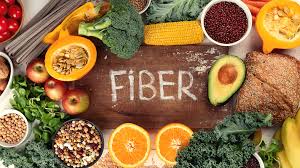
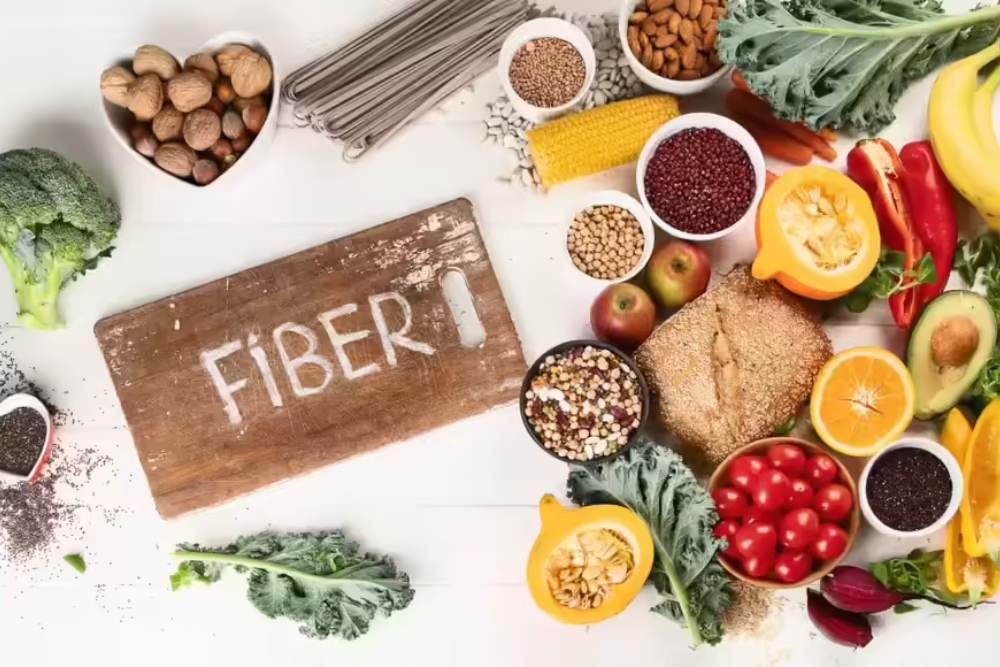
Fibermaxxing is more than just eating more vegetables. It’s a structured approach to maximizing dietary fiber intake from diverse sources—whole grains, legumes, seeds, fruits, and vegetables—while balancing soluble and insoluble fiber.
- Soluble fiber: Found in oats, beans, flaxseeds; dissolves in water, stabilizes blood sugar.
- Insoluble fiber: Found in cornmeal, wheat bran, leafy greens; adds bulk to stool, prevents constipation.
In 2026, fibermaxxing has become a lifestyle trend, with influencers and nutritionists advocating for 30–40 grams of fiber daily. The challenge, however, is that high-fiber diets can sometimes cause bloating, gas, and discomfort. This is where hing enters the picture.
Hing: The Ancient Digestive Ally
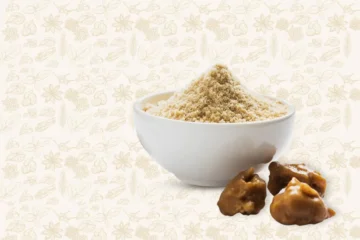
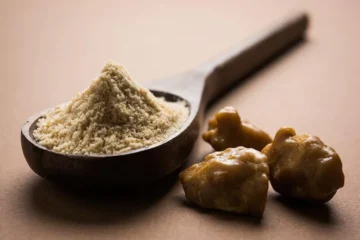
Hing, or asafoetida, is a resin extracted from the roots of Ferula plants. Known for its pungent aroma, hing has been used for centuries in Indian cooking and Ayurvedic remedies. Traditionally, it was added to lentils, beans, and heavy grains to reduce gas and aid digestion.
Key Benefits of Hing for Gut Health:
- Prevents bloating and flatulence.
- Helps balance gut flora by reducing harmful bacteria.
- Enhances enzyme activity, improving nutrient breakdown.
- Soothes the gut lining, reducing irritation.
The Science Behind Hing & Fibermaxxing
When fiber intake increases, the gut microbiome ferments it, producing short-chain fatty acids (SCFAs) that benefit health. However, this fermentation can also lead to excess gas. Hing’s bioactive compounds, such as ferulic acid and sulfur compounds, help regulate this process.
- Reduces intestinal spasms, making digestion smoother.
- Enhances SCFA absorption, ensuring fiber delivers maximum benefits.
- Balances gut bacteria, preventing dysbiosis.
Practical Applications in 2026 Diets
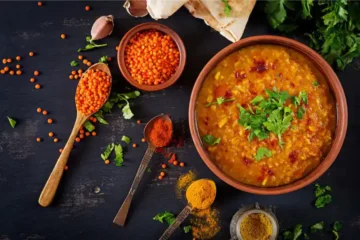
- Fiber-rich lentil bowls: A pinch of hing in tempering makes beans easier to digest.
- Whole grain breads: Hing-infused oil adds flavor and reduces heaviness.
- Gut health supplements: Capsules combining hing extract with prebiotic fibers are trending.
- Fusion cuisine: Hing paired with quinoa, chia seeds, and kale in global kitchens.
Global Adoption of Hing in 2026
While hing has always been popular in South Asia, 2026 has seen its rise in Western wellness markets.
- United States & Europe: Marketed as a “digestive spice” in health food stores.
- Australia: Recommended in plant-based diets to counter fiber-related discomfort.
- Middle East: Incorporated into traditional stews and modern gut-friendly recipes.
Hing, Fiber, and the Mind-Gut Connection
Gut health influences mood, cognition, and immunity. Fibermaxxing supports the microbiome, which produces neurotransmitters like serotonin. Hing enhances this by:
- Reducing gut inflammation linked to anxiety and depression.
- Supporting smoother digestion, lowering stress associated with discomfort.
- Balancing microbiota, indirectly boosting mental clarity.
Recipes Showcasing Hing & Fibermaxxing
1. Hing Tadka Lentil Soup
Red lentils, carrots, celery, spinach; tempered with hing, cumin, garlic in ghee.
2. Whole Grain Hing Flatbread
Multigrain flour with hing-infused oil brushed on top.
3. Hing-Spiced Quinoa Bowl
Quinoa, chickpeas, kale, roasted pumpkin seeds with hing-lemon dressing.
Hing & Fibermaxxing in Wellness Industry Trends
- Functional foods: Ready-to-eat meals with hing seasoning.
- Nutraceuticals: Hing-fiber capsules marketed for gut health.
- Restaurants: Lohri-inspired menus featuring hing tadka dishes.
- Content marketing: Blogs, podcasts, reels highlighting hing’s role in fibermaxxing.
Balancing Tradition and Modern Science
Hing’s resurgence is a reminder that ancient practices often align with modern science. Fibermaxxing may be a new buzzword, but the principle of combining fiber with digestive aids has existed for centuries. Hing bridges this gap, offering a cultural anchor in a futuristic diet trend.
Conclusion: Hing as the Hero of Fibermaxxing
As 2026 unfolds, hing is emerging as a key player in diet trends. By complementing fibermaxxing, it ensures that high-fiber diets are not only effective but also comfortable and sustainable.
Hing’s journey—from temple kitchens in India to global wellness shelves—illustrates how tradition and innovation can coexist. For anyone embracing fibermaxxing, hing is more than a spice; it’s a digestive ally, a cultural treasure, and a wellness enhancer.
In the era of gut health revolutions, hing proves that sometimes the smallest pinch makes the biggest difference.