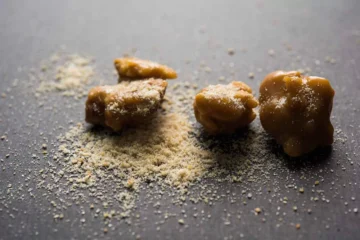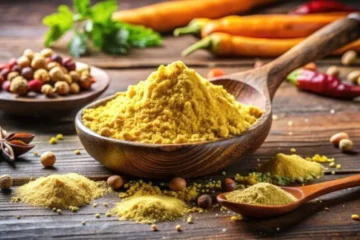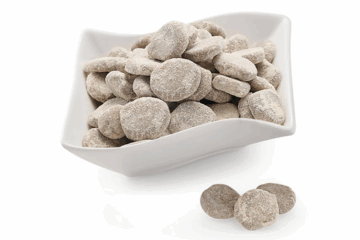

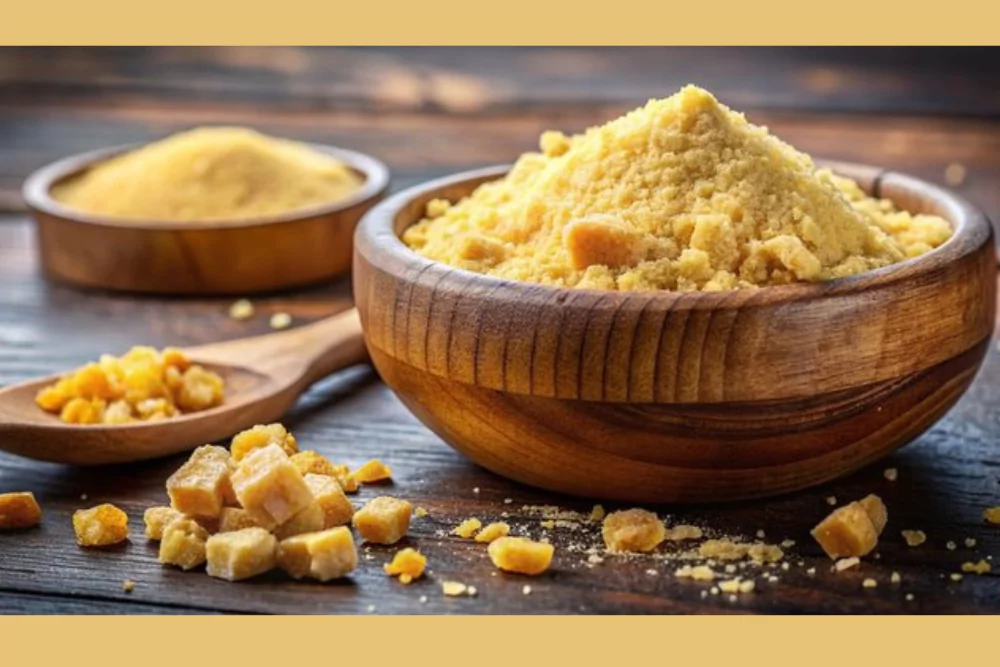
Hing, or asafoetida, is a traditional spice known for its digestive and warming properties. During cold weather, knowing the Best Time to Eat Hing in Winter can maximize its benefits. This blog answers common questions about hing consumption time, asafoetida consumption timing, and hing daily intake in winter.
What is the best time of day to consume hing during winter for better digestion?
Short Answer: Morning and midday are the best times to consume hing in winter for optimal digestion and warmth.
Detailed Answer:
- Morning: A pinch of hing in warm water stimulates digestive enzymes and prevents sluggishness.
- Midday: Adding hing to lunch meals reduces heaviness and supports nutrient absorption.
- Evening: Hing in soups or teas helps maintain gut warmth after sunset.
- Consistency: Regular hing use ensures steady digestive support throughout winter.
- Ayurvedic View: Hing balances vata and kapha doshas, making mornings and afternoons ideal.
Should hing be taken before meals, after meals, or added directly while cooking in winter?
Short Answer: Hing works best when added during cooking, but small doses before or after meals also aid digestion.
Detailed Answer:
- Before Meals: A pinch of hing in warm water prepares the stomach for digestion.
- During Cooking: Tempering hing in oil or ghee enhances flavor and prevents bloating.
- After Meals: Hing tea or warm water reduces heaviness and gas post-meal.
- Flexibility: Hing can be consumed at all stages depending on personal preference.
- Best Practice: Incorporating hing in cooking ensures safe and consistent intake.
| Timing | Benefit |
|---|---|
| Before Meals | Prepares stomach for digestion |
| During Cooking | Prevents bloating and enhances flavor |
| After Meals | Reduces heaviness and gas |
Can hing help reduce bloating and heaviness if consumed at night after festive winter dinners?
Short Answer: Yes, hing at night after heavy winter dinners reduces bloating, gas, and digestive discomfort.
Detailed Answer:
- Hing relaxes intestinal muscles, easing post-dinner heaviness.
- Its carminative properties expel excess gas from the digestive tract.
- Hing tea or hing-infused warm water at night prevents fermentation of food.
- It supports overnight digestion, reducing morning discomfort.
- Festive meals with lentils, beans, or fried foods benefit most from hing intake.
Is hing safe to consume daily in winter, and how much is the right quantity?
Short Answer: Hing is safe daily in winter when consumed in small amounts, typically 1–2 pinches per day.
Detailed Answer:
- Safe Quantity: 1–2 pinches (about 0.5–1 gram) daily is sufficient.
- Kids: Use a tiny pinch in cooked dishes to avoid strong flavor.
- Elderly: Hing aids weak digestion and prevents constipation in winter.
- Sensitive Stomachs: Hing should be consumed in moderation to avoid irritation.
- Excess Use: Large amounts may cause acidity; balance is essential.
| Group | Recommended Hing Quantity |
|---|---|
| Adults | 1–2 pinches daily |
| Kids | Tiny pinch in cooked food |
| Elderly | 1 pinch daily for digestion |
| Sensitive Stomachs | Minimal use, preferably cooked |
Does hing work better when combined with other warming spices like ginger or cumin during cold weather?
Short Answer: Hing works synergistically with ginger, cumin, and other warming spices to enhance winter digestion.
Detailed Answer:
- Hing + Ginger: Improves circulation and reduces nausea.
- Hing + Cumin: Enhances carminative effect, preventing gas and bloating.
- Hing + Black Pepper: Boosts metabolism and absorption of nutrients.
- Spice Blends: Hing with warming spices creates balanced remedies for gut health.
- Daily Use: Adding hing-spice blends to curries, teas, and soups maximizes digestive comfort.
| Spice Combination | Gut Health Benefit |
|---|---|
| Hing + Ginger | Improves circulation and reduces nausea |
| Hing + Cumin | Prevents gas and bloating |
| Hing + Black Pepper | Boosts metabolism and absorption |
| Hing + Spice Blend | Balanced warmth and digestion |
Conclusion
The Best Time to Eat Hing in Winter is during mornings to activate digestion, while cooking to prevent bloating, and at night to ease heaviness after festive meals. Taken in moderation—just 1–2 pinches daily—hing supports gut warmth, reduces gas, and works even better when paired with warming spices like ginger or cumin, making it a safe and effective winter remedy for all age groups.