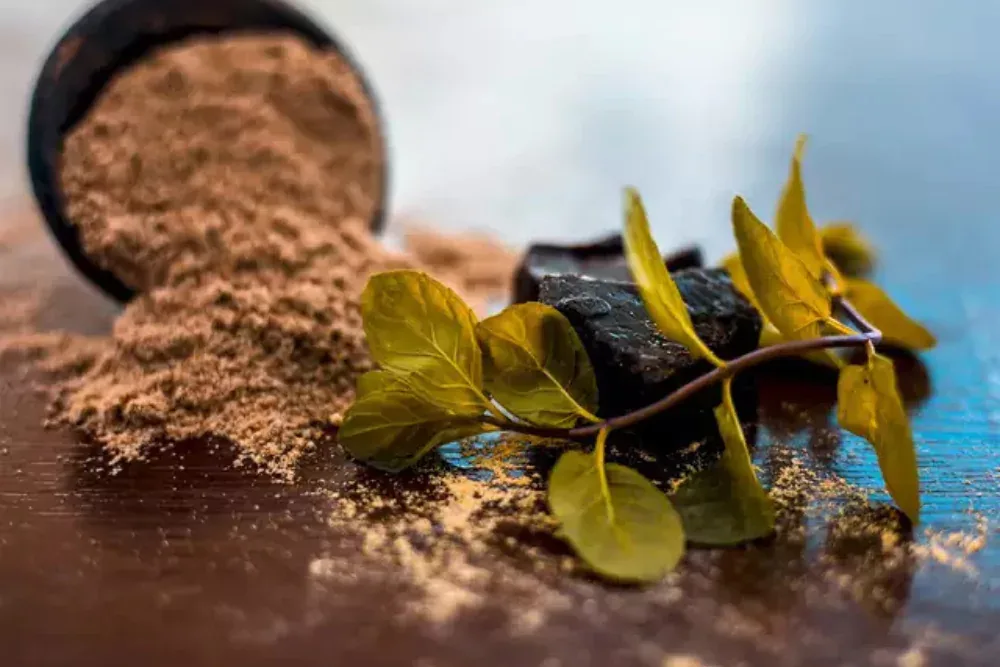

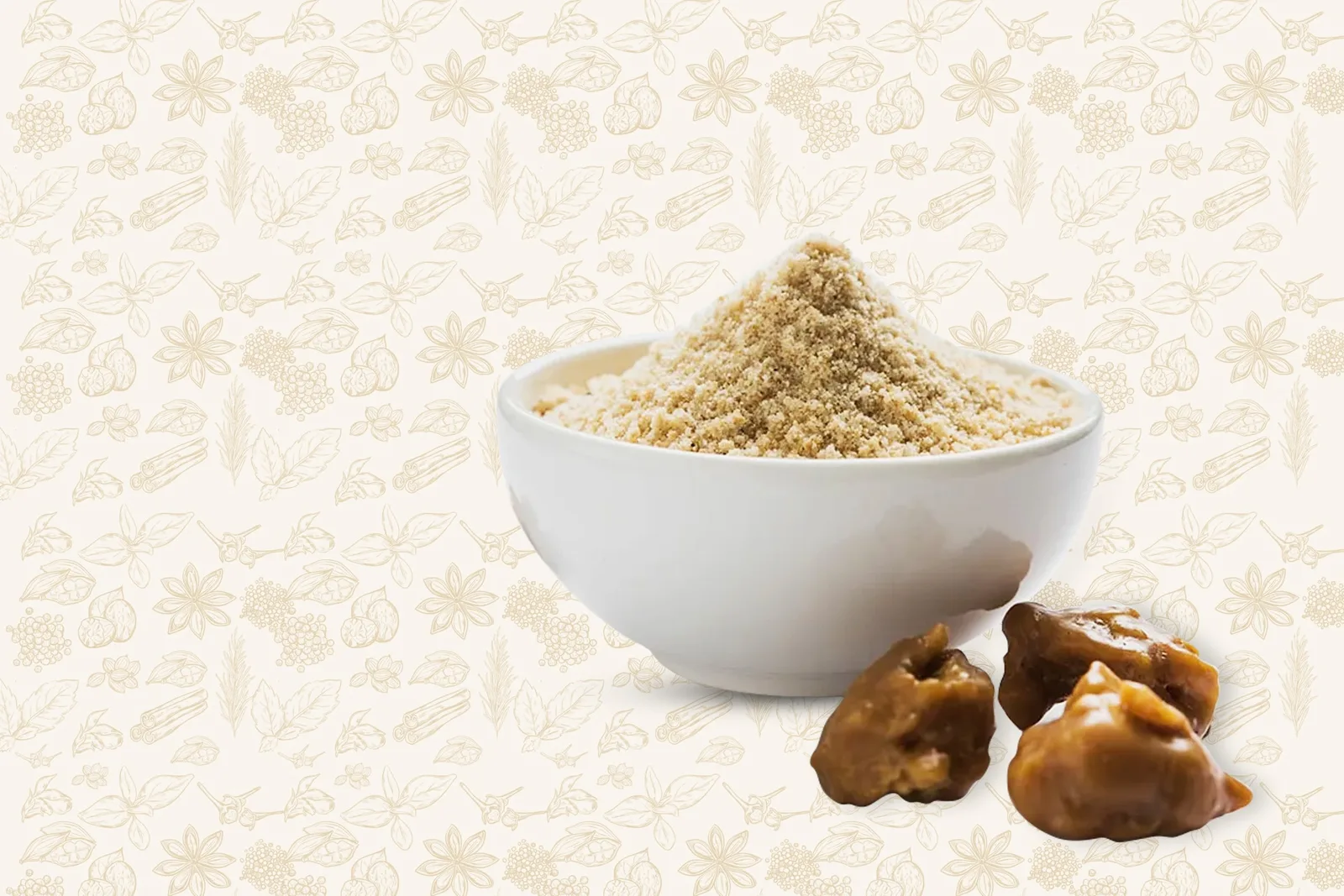
In Indian kitchens, some spice pairings go beyond taste — they carry centuries of wisdom. One such duo is hing and coriander in Indian cooking. Together, they create harmony: hing (asafoetida) adds pungency and aids digestion, while coriander balances with freshness, cooling, and detoxifying properties.
Why are hing and coriander often used together in Indian cooking — do they complement each other in flavor or health benefits?
Short Answer: Hing and coriander complement each other by balancing flavors and health benefits. Hing provides pungency and digestive aid, while coriander offers cooling, detoxifying, and refreshing qualities, creating a complete culinary and wellness experience.
Detailed Answer:
- Flavor Balance: Hing’s strong aroma can sometimes overpower, but coriander’s mild sweetness and freshness soften its impact, making dishes more palatable.
- Digestive Synergy: Hing reduces gas and bloating, while coriander cools acidity, promoting smoother digestion.
- Ayurvedic Wisdom: Ayurveda often pairs heating spices with cooling ones to balance doshas. Hing (heating) and coriander (cooling) achieve this equilibrium naturally.
- Enhanced Absorption: Coriander supports nutrient absorption, while hing stimulates metabolism, allowing the body to benefit from meals fully.
Can hing and coriander help with common issues like bloating, acidity, or sluggish digestion?
Short Answer: Yes, hing and coriander can help with bloating, acidity, and sluggish digestion. Hing reduces gas formation, while coriander soothes acidity and enhances digestive enzymes for smoother gut health.
Detailed Answer:
- For Bloating: Hing prevents fermentation in the stomach, reducing gas, while coriander seeds ease discomfort and bloating.
- For Acidity: Coriander’s cooling nature calms acid reflux, and hing reduces digestive strain.
- For Sluggish Digestion: Hing stimulates gastric juices, and coriander promotes smoother bowel movements.
- Practical Use: A pinch of hing in tadka with a sprinkle of coriander leaves on dals provides both taste and digestive relief.
What types of dishes use both hing and coriander — and how do they enhance the overall taste?
Short Answer: Hing and coriander are used together in dals, curries, sabzis, kadhi, and chutneys. Hing enhances depth and aroma, while coriander adds freshness and a cooling balance.
Detailed Answer:
- Dals: Hing tadka reduces heaviness, while fresh coriander leaves add brightness.
- Sabzis: Dry vegetables cooked with hing become more digestible, and coriander leaves give freshness.
- Kadhi: Hing deepens the flavor of curd-based kadhi, and coriander enhances aroma.
- Chutneys: Coriander chutneys with a hint of hing balance pungency and freshness.
- Curries: Tomato-based or onion-based curries gain complexity with hing and finishing coriander garnish.
| Dish | Role of Hing | Role of Coriander |
|---|---|---|
| Dal Tadka | Enhances aroma, aids digestion | Adds freshness and balance |
| Vegetable Sabzi | Reduces heaviness | Improves flavor and presentation |
| Kadhi | Adds depth of flavor | Boosts aroma and cooling effect |
| Chutney | Provides pungent kick | Main base with refreshing taste |
Is it better to use fresh coriander leaves or seeds with hing — does it change the effect or flavor?
Short Answer: Both coriander leaves and seeds work with hing but offer different results. Seeds pair well with hing for grounding flavors, while fresh leaves balance hing’s pungency with refreshing aroma and cooling effect.
Detailed Answer:
- Coriander Seeds: Best with hing in tempering, pickles, and spice blends. They give earthy, warm flavors.
- Coriander Leaves: Perfect garnish with hing-based dishes like dals and curries, offering freshness.
- Flavor Difference: Seeds bring depth and grounding; leaves bring lightness and aroma.
- Health Angle: Seeds help with blood sugar regulation, while leaves detoxify and cool the stomach.
Can I use hing and coriander in fusion or modern recipes without losing their traditional benefits?
Short Answer: Yes, hing and coriander can easily adapt to fusion cooking. Their flavor and health benefits remain intact when used in soups, sauces, marinades, or modern dips.
Detailed Answer:
- Soups: Add hing to lentil or vegetable soups for depth, and top with coriander for freshness.
- Marinades: Use hing in spice rubs for roasted vegetables or meats, balanced with coriander chutney.
- Sauces: Hing in tomato sauces brings umami, while coriander pesto adds a refreshing twist.
- Dips & Snacks: Coriander-based dips with hing seasoning make great pairings with bread, nachos, or kebabs.
- Global Touch: Hing-infused hummus or coriander chimichurri combines tradition with modern dining.
Conclusion
The magic of hing and coriander in Indian cooking lies in their ability to balance taste and wellness. Hing adds pungency and digestive power, while coriander brings freshness and cooling relief. From traditional dals to modern fusion dips, this duo adapts beautifully, making meals both flavorful and gut-friendly.