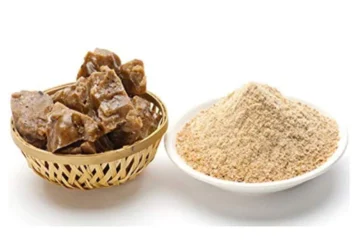

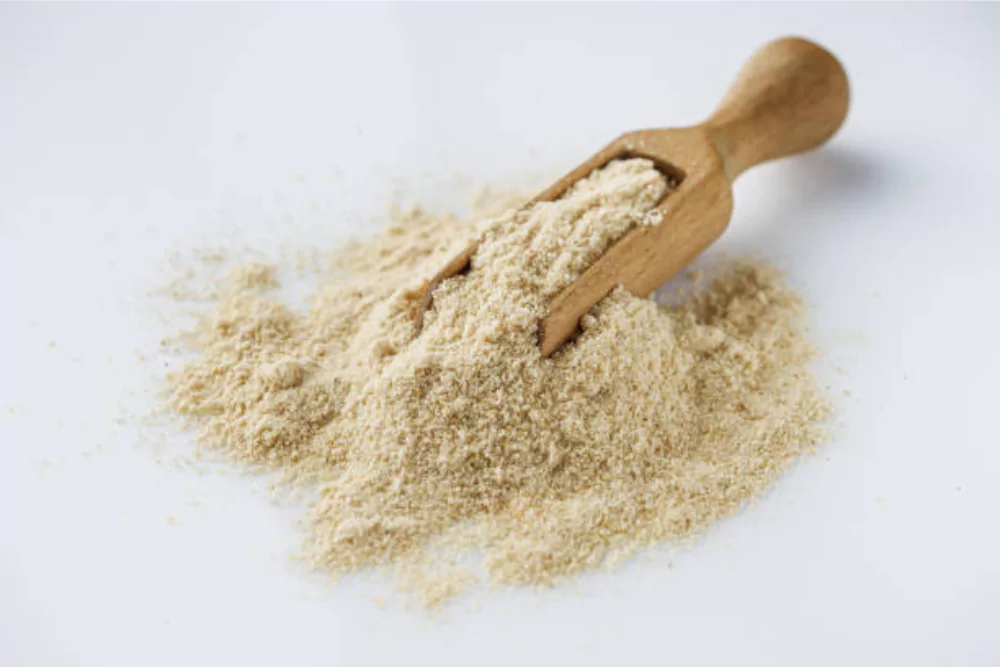
Hing, also known as asafoetida, is a powerful Ayurvedic spice that plays a vital role in winter wellness. From aiding digestion to boosting immunity, hing benefits in winter are unmatched. Let’s explore why hing is good for winters and how to use it effectively.
How does hing help with digestion and bloating, especially during heavy winter meals?
Short Answer: Hing helps reduce gas, bloating, and indigestion during heavy winter meals by stimulating digestive enzymes and warming the body.
Detailed Answer:
- Stimulates digestion: Hing activates digestive enzymes, making it easier to break down heavy foods like lentils and beans.
- Reduces bloating: Its carminative properties prevent gas formation, a common issue in winter diets rich in pulses.
- Warming effect: Asafoetida is considered warming in Ayurveda, balancing sluggish winter metabolism.
- Supports gut health: Hing reduces intestinal spasms and discomfort, promoting smoother digestion.
- Ayurvedic perspective: Hing balances Vata dosha, which is often aggravated in cold weather, preventing digestive imbalance.
Can hing boost immunity or protect against common winter issues like cold and cough?
Short Answer: Yes, hing boosts immunity and helps protect against winter ailments like cold and cough due to its antimicrobial and anti-inflammatory properties.
Detailed Answer:
- Antimicrobial action: Hing fights harmful bacteria and viruses, reducing the risk of seasonal infections.
- Respiratory relief: It helps clear mucus and ease breathing, making it useful for cough and congestion.
- Anti-inflammatory benefits: Hing reduces inflammation in the respiratory tract, soothing winter irritations.
- Boosts immunity: Regular use strengthens the body’s defense system against cold-weather illnesses.
- Traditional use: Ayurveda recommends hing for preventing colds and flu during winter months.
What are the best ways to use hing in daily cooking during winters for flavor and health benefits?
Short Answer: Hing can be added to dals, soups, teas, and tempering oils to enhance flavor and provide health benefits during winters.
Detailed Answer:
- Tempering: Add a pinch of hing to hot oil or ghee before cooking lentils, beans, or vegetables.
- Soups and broths: Hing enriches winter soups, aiding digestion and adding warmth.
- Herbal teas: A tiny pinch of hing in herbal teas can relieve cough and congestion.
- Pickles and chutneys: Hing enhances flavor and preserves traditional winter condiments.
- Daily cooking: Use hing sparingly in curries and gravies for both taste and health benefits.
Is hing safe for kids and elderly people, and how much should be used in winter recipes?
Short Answer: Hing is safe for kids and elderly when used in small amounts—typically a pinch per dish.
Detailed Answer:
- Safe dosage: A pinch (about 0.25–0.5 grams) is sufficient for most recipes.
- Kids: Hing helps reduce colic, gas, and indigestion in children when used moderately.
- Elderly: It supports digestion and prevents bloating, common in older adults during winters.
- Precaution: Excessive use may cause irritation; moderation is key.
- Ayurvedic guidance: Hing is considered safe across age groups when consumed in small, balanced amounts.
Does hing pair well with traditional winter foods like lentils, soups, and herbal teas?
Short Answer: Yes, hing pairs excellently with lentils, soups, and herbal teas, enhancing flavor and improving digestion.
Detailed Answer:
- Lentils: Hing reduces gas formation, making dals lighter and easier to digest.
- Soups: Adds depth of flavor and warmth, perfect for cold weather meals.
- Herbal teas: Hing complements ginger, tulsi, and black pepper teas, aiding respiratory health.
- Winter vegetables: Hing enhances the taste of root vegetables like carrots and radish.
- Traditional recipes: Hing is integral to Ayurvedic winter diets, balancing heaviness of seasonal foods.
| Winter Food | Hing Benefit |
|---|---|
| Lentils | Reduces gas and bloating |
| Soups | Adds warmth and depth of flavor |
| Herbal Teas | Relieves cough and congestion |
| Root Vegetables | Improves digestion and taste |
Conclusion
Hing benefits in winter are vast—from aiding digestion and reducing bloating to boosting immunity and enhancing flavor in traditional foods. Whether added to lentils, soups, or teas, hing is a warming spice that supports overall wellness. For kids, adults, and the elderly, hing remains a safe, effective, and essential winter spice. MevaBite recommends incorporating hing into your daily cooking this season to enjoy its Ayurvedic benefits and keep your health strong during cold weather.