
For centuries, Indian kitchens have relied on a small but powerful spice called hing, or asafoetida. Known for its pungent aroma and earthy flavor, hing has been treasured not only for its culinary role but also for its medicinal properties. One of its most celebrated benefits is its ability to improve digestion, especially when added to lentils and beans. In this article, we explore the science, tradition, and health advantages of using hing for digestion.
Understanding Hing (Asafoetida)
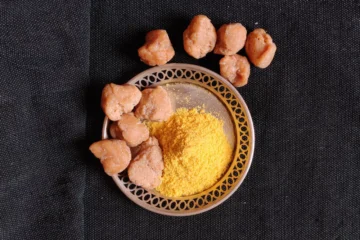
Hing is derived from the resin of the Ferula plant, native to Iran and Afghanistan, but widely used in Indian cooking. In Ayurveda, hing is considered a potent digestive aid that balances the body’s internal energies. Its strong flavor means only a pinch is needed, yet that small amount can transform both the taste and the digestibility of a dish.
Why Lentils and Beans Can Be Hard to Digest
Lentils and beans are staples in vegetarian diets, offering protein, fiber, and essential minerals. However, they also contain complex carbohydrates and oligosaccharides that the human digestive system struggles to break down. When these compounds reach the large intestine undigested, gut bacteria ferment them, producing gas and causing bloating or discomfort. This is why many people experience heaviness after eating dal, rajma, or chana.
How Hing Improves Digestion
Adding hing to lentils and beans works like a natural digestive enhancer. Here’s how:
- Reduces Gas Formation: Hing helps break down complex sugars, preventing excessive fermentation in the gut.
- Stimulates Digestive Enzymes: It activates enzymes that aid in breaking down proteins and carbohydrates more efficiently.
- Anti‑microbial Action: Hing prevents harmful bacteria from thriving in the intestines, reducing chances of indigestion.
- Balances Vata Dosha: In Ayurvedic terms, hing calms the air element, which is responsible for bloating and discomfort.
These combined effects make hing an indispensable spice when cooking lentils and beans, ensuring meals are both tasty and easy on the stomach.
Traditional Use of Hing in Indian Cooking
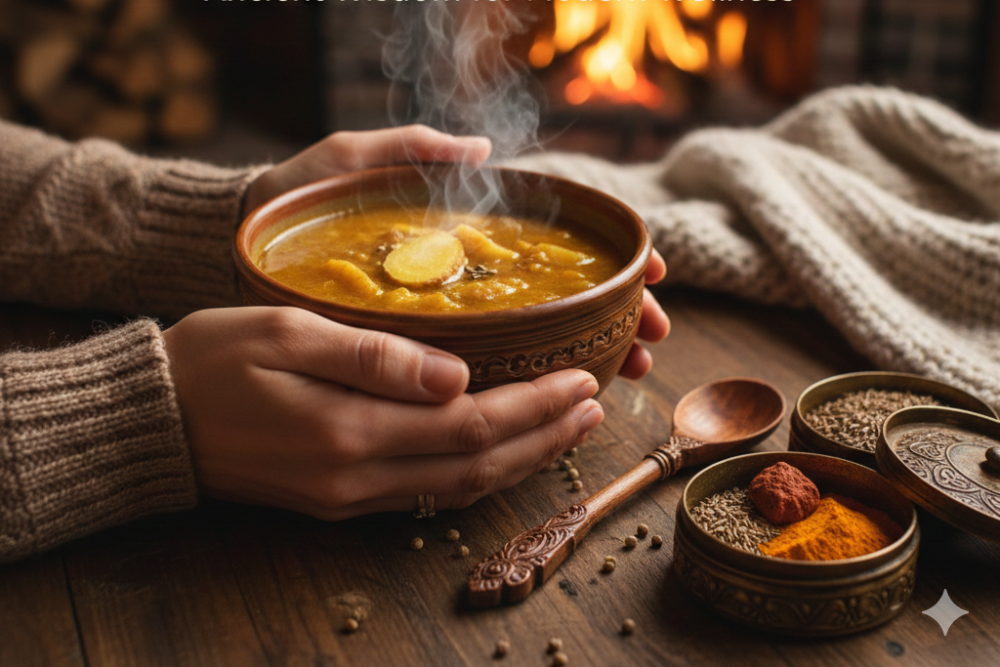
Indian households have long understood the value of hing for digestion. A pinch of hing is often added to hot oil or ghee before tempering lentils, beans, or vegetables. This not only enhances flavor but also ensures that the dish is lighter on the stomach. Popular recipes like dal tadka, chana masala, and rajma curry often begin with hing in the tempering process. Even in sattvic diets, where onion and garlic are avoided, hing serves as a flavorful substitute while supporting digestive health.
Scientific Backing for Hing’s Benefits
Modern studies have begun to validate what traditional wisdom has long claimed. Hing contains compounds such as ferulic acid and volatile oils that exhibit anti‑flatulent and anti‑spasmodic properties. These compounds relax intestinal muscles, reduce cramps, and support smoother digestion. Its antioxidant properties further contribute to gut health by protecting cells from oxidative stress.
Health Benefits Beyond Digestion
While hing is most famous for its digestive benefits, it offers a range of other health advantages:
- Respiratory Relief: Hing has been used traditionally to ease asthma and bronchitis symptoms.
- Anti‑inflammatory Properties: It helps reduce inflammation in the body, supporting joint and muscle health.
- Immune Support: Hing’s antioxidants strengthen the immune system.
- Cardiovascular Health: Some studies suggest hing may help regulate blood pressure and improve circulation.
These additional benefits make hing a holistic spice that supports overall wellness, not just digestion.
Practical Tips for Using Hing
To maximize the benefits of hing for digestion, it’s important to use it correctly. Always add hing to hot oil or ghee before mixing it into lentils or beans. This releases its aroma and activates its compounds. Remember, a little goes a long way—just a pinch is sufficient. Overuse can overpower the dish, so moderation is key.
Conclusion
Adding hing to lentils and beans is more than a culinary tradition—it is a scientifically supported practice that enhances digestion, reduces bloating, and makes meals more enjoyable. By incorporating hing into everyday cooking, you not only honor centuries of Indian wisdom but also support modern wellness goals. Whether you are preparing a simple dal or a rich bean curry, hing ensures that your food nourishes both body and soul. Truly, hing for digestion is a timeless secret worth keeping alive in every kitchen.