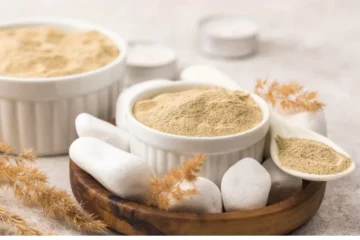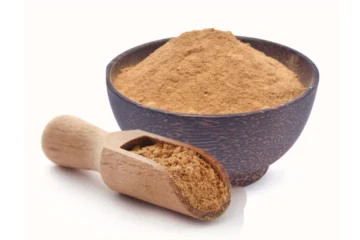

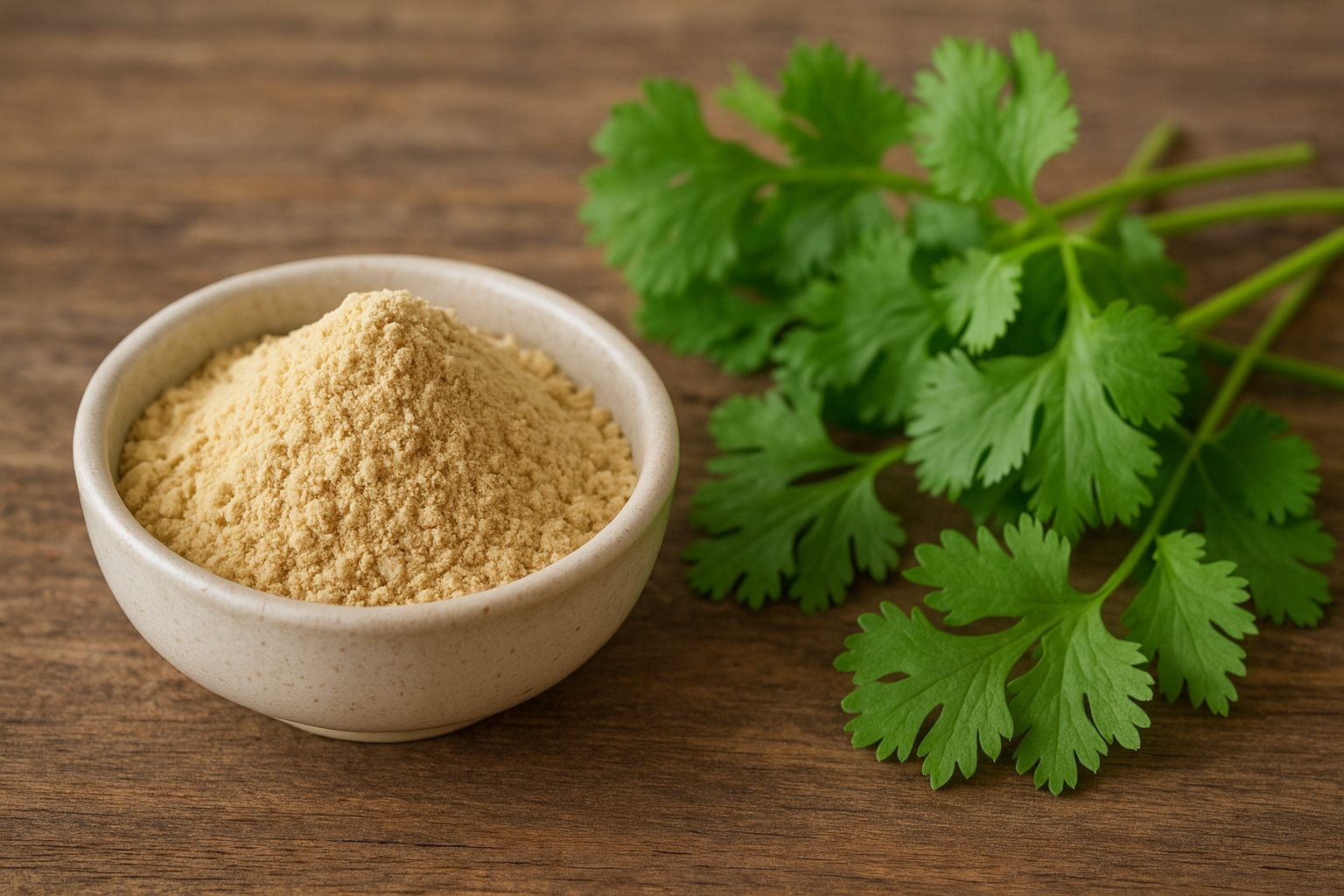
Hing (asafoetida) has been used for centuries in Indian households and Ayurvedic medicine. Traditionally known for aiding digestion, hing is now gaining attention for its potential role in managing chronic health conditions. Recent scientific studies suggest that the bioactive compounds in hing may help support the body against long-term inflammation, digestive disorders, and oxidative stress.
This article explores what recent studies show about hing for chronic conditions, while separating proven benefits from emerging research.
Understanding Hing and Its Active Compounds
Hing is derived from the resin of the Ferula plant. It contains powerful natural compounds such as:
- Sulphur-based compounds
- Coumarins
- Antioxidants
- Anti-inflammatory agents
These compounds are responsible for hing’s strong aroma and its potential therapeutic properties.
Hing and Digestive Disorders (IBS, Acidity & Bloating)
Digestive issues are among the most common chronic conditions worldwide. Research shows that hing may help by:
- Stimulating digestive enzymes
- Reducing excessive gas formation
- Relaxing intestinal muscles
- Supporting gut motility
Studies on functional digestive disorders indicate that regular, small dietary use of hing may help reduce symptoms of irritable bowel syndrome (IBS), chronic bloating, and indigestion. This supports hing’s long-standing reputation as a natural digestive aid.
Anti-Inflammatory Effects of Hing
Chronic inflammation is a root cause of many long-term conditions such as arthritis, metabolic disorders, and respiratory issues. Research suggests that hing contains natural anti-inflammatory compounds that may:
- Reduce inflammatory markers
- Help calm overactive immune responses
- Support joint and tissue health
This makes hing a potential supportive ingredient for people managing inflammation-related chronic conditions, especially when included as part of an anti-inflammatory diet.
Hing and Brain Health: Emerging Research
Recent experimental studies have explored hing’s effect on brain health. Findings suggest that hing may help:
- Reduce oxidative stress in brain cells
- Protect neurons from damage
- Support memory and cognitive function
These effects are linked to hing’s antioxidant activity, which may play a role in slowing processes associated with neurodegenerative conditions. However, it is important to note that most of this research is still in early stages and largely based on laboratory and animal studies.
Antioxidant Properties and Cellular Protection
Oxidative stress contributes to aging and the progression of chronic diseases. Hing contains antioxidants that may help:
- Neutralise free radicals
- Protect cells from long-term damage
- Support overall metabolic health
By reducing oxidative stress, hing may offer indirect support for chronic conditions related to aging and cellular degeneration.
Hing and Metabolic Health
Preliminary studies suggest that hing may also support metabolic functions by:
- Helping regulate blood pressure
- Supporting healthy circulation
- Assisting digestion-related metabolism
While these findings are promising, more large-scale human studies are required before this can be recommended specifically for metabolic or cardiovascular conditions.
Safe Consumption and Important Considerations
- Hing is generally safe when consumed in small culinary amounts
- Excess intake or supplement use should be avoided without medical advice
- People who are pregnant, breastfeeding, or on blood-thinning medication should consult a healthcare professional
Hing works best as a supportive dietary ingredient, not a medical replacement.
Final Thoughts: Is Hing Helpful for Chronic Conditions?
Recent studies and traditional knowledge together suggest that hing may offer supportive benefits for chronic conditions due to its:
- Digestive-supporting properties
- Anti-inflammatory effects
- Antioxidant and cellular protection
- Emerging neuroprotective potential
While scientific research is still evolving, using hing regularly in cooking may contribute to better long-term wellness when combined with a balanced diet and healthy lifestyle.