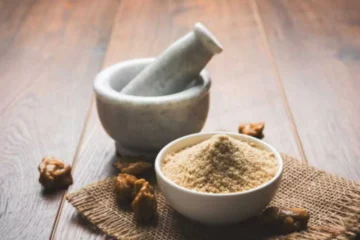


High-fiber diets are widely recommended for maintaining good health. Fiber supports bowel regularity, lowers cholesterol, and helps control blood sugar levels. However, for many people, a sudden increase in fiber intake can lead to bloating, gas, and digestive discomfort. This is where hing, also known as asafoetida, becomes a valuable ally. Just a pinch of hing can make fiber-rich meals easier to digest, proving why hing for digestion is a timeless remedy for gut health.
The Benefits and Challenges of High-Fiber Diets
Fiber-rich foods such as lentils, beans, whole grains, and vegetables are essential for overall wellness. They promote satiety, support weight management, and feed beneficial gut bacteria. Yet, these same foods contain complex carbohydrates and oligosaccharides that are difficult to break down. When undigested fiber reaches the large intestine, gut bacteria ferment it, producing gas. This can cause bloating, cramps, and discomfort, especially for those not accustomed to high-fiber meals.
How Hing Supports Gut Health
Hing has been used in Indian cooking for centuries to make meals easier to digest. Here is how hing supports gut health in high-fiber diets:
- Reduces Gas Formation: Hing helps break down complex sugars in lentils and beans, preventing excessive fermentation in the gut.
- Stimulates Digestive Enzymes: It activates enzymes that make fiber-rich foods easier to process.
- Relieves Intestinal Discomfort: Hing relaxes intestinal muscles, reducing cramps and heaviness after fiber-heavy meals.
- Balances Gut Microbiota: Hing’s anti-microbial properties prevent harmful bacteria from thriving, while allowing beneficial bacteria to flourish.
These combined effects make hing an essential spice for anyone following a high-fiber diet.
Traditional Wisdom and Modern Science
Ayurveda has long recognized hing as a powerful digestive aid. It is described as a carminative, meaning it prevents gas and supports smooth digestion. Traditionally, hing is added to lentils, beans, and vegetable dishes to make them lighter on the stomach. Modern research confirms these claims, showing that hing contains compounds with anti-flatulent and anti-spasmodic properties. Hing also has antioxidant qualities that protect gut cells from oxidative stress, making it a holistic spice for digestive wellness.
Additional Health Benefits of Hing
Beyond digestion, hing offers several other health benefits:
- Respiratory Support: Hing has been used to ease asthma and bronchitis symptoms.
- Anti-inflammatory Properties: It helps reduce inflammation in joints and muscles.
- Immune Boost: Hing’s antioxidants strengthen the body’s defenses.
- Cardiovascular Health: Some studies suggest hing may help regulate blood pressure and improve circulation.
These benefits make hing a versatile spice that supports both digestive and overall health.
Practical Tips for Using Hing in High-Fiber Meals
To maximize the benefits of hing for digestion, it is important to use it correctly. Always add hing to hot oil or ghee before mixing it into lentils, beans, or vegetables. This process releases its aroma and activates its compounds. Remember that hing is powerful, so only a pinch is needed. Overuse can overpower the dish, but the right amount ensures both flavor and digestive comfort. Try adding hing to dal, rajma, or even stir-fried vegetables to make fiber-rich meals easier on the stomach.
Conclusion
High-fiber diets are essential for long-term health, but they can sometimes challenge digestion. Hing offers a simple solution. By reducing bloating, stimulating enzymes, and supporting gut balance, hing ensures that fiber-rich meals are enjoyed without discomfort. It bridges the wisdom of Ayurveda with modern science, proving that sometimes the smallest ingredient makes the biggest difference. Truly, hing for digestion is the spice that keeps your gut healthy and your meals enjoyable.