
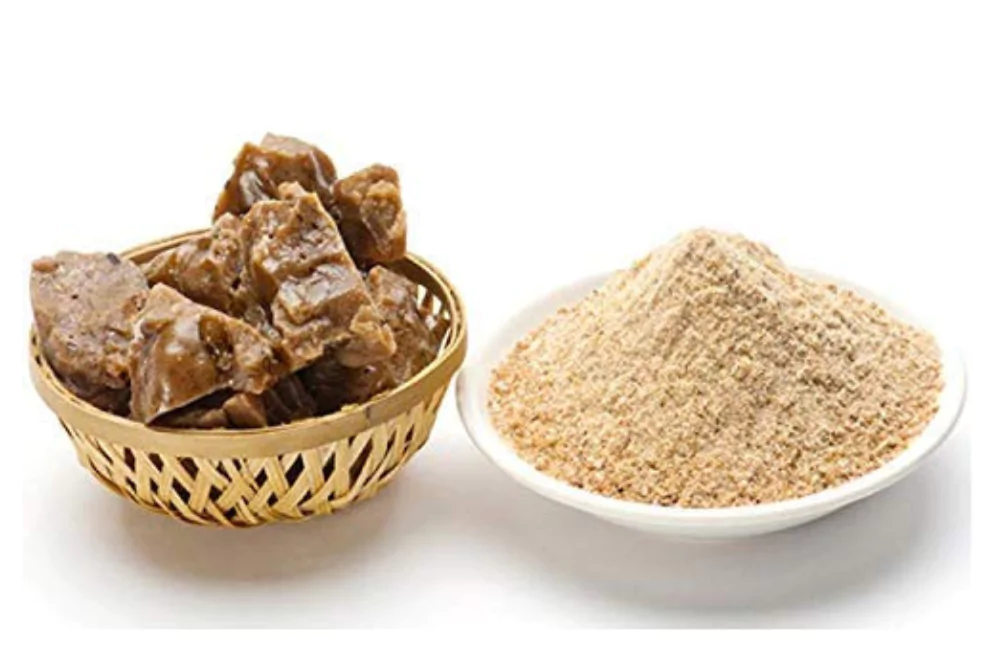
As keto and low-FODMAP diets continue to gain popularity, people are constantly searching for ways to add flavour without upsetting digestion. This is where hing (asafoetida) is emerging as a powerful solution. Known for its strong aroma and digestive properties, hing is now widely used as a garlic and onion substitute in keto and low-FODMAP cooking.
This article explains how hing fits into keto and low-FODMAP diets, why it is trending, and how it is used safely.
Why Hing Is Popular in Keto & Low-FODMAP Diets
Both keto and low-FODMAP diets restrict certain carbohydrates that can cause digestive discomfort. Garlic and onions, though flavourful, are often avoided because they are high in fermentable carbohydrates.
Hing offers a solution because:
- It provides deep umami flavour
- Only a very small quantity is required
- It supports digestion
- It helps reduce bloating and gas
This makes hing ideal for people managing sensitive digestion while following restrictive diets.
Hing as a Garlic and Onion Substitute
One of the biggest challenges in keto and low-FODMAP cooking is replacing garlic and onion flavour. Hing mimics that flavour profile when used correctly.
How it works:
- A pinch of hing sautéed in fat creates a garlic-like aroma
- Works well with ghee, butter, coconut oil, or olive oil
- Enhances savoury dishes without digestive stress
This is why hing is now common in keto curries, stir-fries, and soups.
Is Hing Keto-Friendly?
Yes, hing is keto-friendly when used in small amounts.
Important points:
- Used in pinches, hing adds negligible carbohydrates
- Suitable for high-fat cooking styles
- Does not impact ketosis when used correctly
However, it is important to choose pure hing, as some commercial hing powders contain starch fillers.
Hing in Low-FODMAP Cooking
Low-FODMAP diets aim to reduce fermentable carbohydrates that cause bloating and IBS symptoms. Hing is often recommended as a low-FODMAP alternative because:
- It replaces high-FODMAP garlic and onion
- It supports smoother digestion
- It adds flavour without fermentable fibres
Low-FODMAP recipes using hing include vegetable sautés, dals made without onion, and light soups.
Popular Keto & Low-FODMAP Dishes Using Hing
Hing is now commonly used in modern diet recipes such as:
- Keto vegetable stir-fries
- Onion-free keto curries
- Low-FODMAP lentil alternatives
- Hing-flavoured cauliflower rice
- Keto snack mixes and roasted nuts
These recipes are widely shared on social media and wellness platforms.
Digestive Benefits of Hing for Restrictive Diets
Restrictive diets often cause digestive imbalance due to reduced food variety. Hing helps by:
- Reducing gas formation
- Supporting enzyme activity
- Preventing bloating
- Improving gut comfort
This is why hing is often recommended in diets focused on gut health.
How to Use Hing Correctly in Keto & Low-FODMAP Diets
Best practices:
- Always sauté hing in fat before adding other ingredients
- Use only a pinch to avoid bitterness
- Choose gluten-free, pure hing powders
- Avoid raw consumption
Proper use enhances flavour while maintaining digestive comfort.
Who Should Be Careful with Hing
- People allergic to resin-based spices
- Those taking blood-thinning medication
- Pregnant or breastfeeding individuals
Consultation with a healthcare professional is recommended for therapeutic use.
Final Thoughts: Why Hing Fits Modern Diet Trends
Hing is gaining popularity in keto and low-FODMAP diets because it solves two major problems: flavour loss and digestive discomfort. As more people move towards gut-friendly eating, hing is becoming a must-have pantry ingredient for restrictive diets.
With its strong flavour, minimal quantity requirement, and digestive support, hing proves that traditional spices can perfectly fit modern dietary trends.